
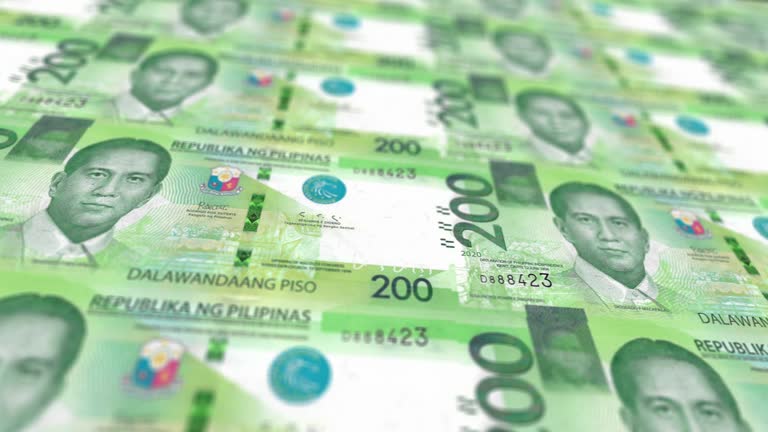
The Philippines, distinguished by its vibrant culture and dynamic economy, possesses a captivating currency system that mirrors both its historical context and contemporary influences. Central to this system is the Philippine Peso, whose evolution has significantly shaped the nation’s financial landscape. This analysis delves into the evolution of the Peso, the details of its current banknotes and coins, and the foreign currencies that are commonly accepted within the country. Furthermore, it will explore the economic and political factors that influence the value of the Peso. This examination aims to elucidate the complexities of the Philippines’ currency system and its relevance to daily life.
An Overview of the Philippines’ Currency System
The currency system in the Philippines constitutes a crucial element of the country’s economic framework, centred around the Philippine Peso (PHP), which serves as the legal tender. As the Philippine economy continues to evolve, the stability of the currency is affected by various macroeconomic factors, including inflation, interest rates, and fiscal policies established by the Central Bank of the Philippines. An understanding of the dynamics of the Philippine Peso, including its exchange rate in relation to foreign currencies, is essential for both domestic businesses and foreign investors seeking to engage in the expanding economic landscape of the Philippines.
History and Evolution of the Philippine Peso
The Philippine Peso has undergone significant transformations since its inception, mirroring the economic development and historical context of the Philippines. Initially introduced during the Spanish colonial period, the currency has evolved through various forms, including banknotes and coins, adapting to the changing economic landscape and inflationary pressures that have affected its value over time. Throughout the years, the Peso has been influenced by notable historical milestones, including the American occupation, which introduced a new monetary system and subsequently altered its denominations.
The establishment of the Central Bank of the Philippines in 1949 further reinforced its significance, leading to increased stabilisation and regulation of the currency. Economic events, such as the 1983 financial crisis and the Asian financial meltdown in 1997, have also played crucial roles in shaping the Peso’s current structure. As the country continues to navigate the challenges of globalisation and digital transactions, the evolution of the Peso represents not only an adaptation to local needs but also a strategic response to global economic trends.
Current Philippine Peso Banknotes and Coins
The current series of Philippine Peso banknotes and coins embodies the nation’s extensive heritage and dedication to maintaining its cultural identity while ensuring that the currency serves as a reliable medium of exchange. Issued by the Central Bank of the Philippines, these banknotes and coins incorporate advanced security features designed to prevent counterfeiting and foster confidence in the currency. This is essential for promoting economic stability and enhancing consumer trust.
Designs, Features, and Security Measures
The designs of the Philippine Peso banknotes and coins are not only visually appealing but also serve essential practical functions, incorporating advanced security measures to prevent counterfeiting. Features such as watermarks, holograms, and colour-shifting inks are critical in preserving the integrity of the currency and instilling confidence among users, both within financial institutions and the general public.
The intricate designs carry significant cultural meaning, portraying historical figures and symbols that resonate profoundly with the Filipino identity. Each element conveys a narrative that connects the past with the present, thereby reinforcing the nation’s heritage. The integration of such artistic representations not only enhances the aesthetic value of the currency but also fosters a sense of pride among its users. By utilising these sophisticated protective features alongside meaningful designs, the Philippine Peso plays a vital role in the broader financial system, promoting trust and stability, which are essential for the growth and sustainability of the economy.
Other Currencies Used in the Philippines
Along with the Philippine Peso, various foreign currencies are used within the Philippines, largely due to the country’s substantial remittance inflows and strong tourism industry.
The acceptance of foreign currencies facilitates money transfers and currency exchange, particularly for Overseas Filipino Workers (OFWs) and international visitors. This practice significantly enhances the Philippines’ economic relations on a global scale.
Foreign Currencies Accepted and Exchanged in the Country
The Philippines accommodates a diverse range of foreign currencies, which facilitates currency exchange and fosters economic growth through enhanced remittance services and tourism. Commonly accepted currencies include the US Dollar, Euro, and Japanese Yen, all of which are instrumental in enriching the experience for tourists and supporting the financial needs of many Filipino families who depend on remittances. This influx of various currencies not only facilitates seamless transactions for international visitors but also bolsters the local economy by establishing a dynamic exchange network. For example, the appreciation of the US Dollar often translates into increased purchasing power for tourists, thereby stimulating local spending in markets and restaurants.
Remittance services, which are vital for numerous households, benefit from the stability and favourable exchange rates of these foreign major currencies, enabling families to receive funds more efficiently. As these currencies circulate within the domestic market, they significantly contribute to broader economic activities, promoting growth and stability.
Factors Affecting the Value of Philippine Currencies
The value of the Philippine Peso is influenced by a multitude of factors, both domestic and international, including macroeconomic indicators, inflation rates, and interest rates.
A comprehensive understanding of these factors is essential for both investors and consumers, as they directly affect economic stability, purchasing power, and the overall health of the Philippine economy.
Economic and Political Influences
Economic and political influences play a significant role in affecting the exchange rate and value of the Philippine Peso, often resulting in fluctuations that can impact trade and investment decisions. The fiscal and monetary policies implemented by the government and the Central Bank of the Philippines serve as key determinants that shape the currency’s stability and its appeal to foreign investments. These policies must be meticulously calibrated to address both domestic and global economic pressures, as even minor adjustments can initiate a ripple effect throughout the market.
For example, unfavourable external economic conditions, such as a global recession, may lead to a depreciation of the peso, prompting the government to intervene with appropriate measures. Such fluctuations not only influence the local economy but also affect investor confidence, which is essential for cultivating a robust environment for trade. A stable currency is crucial for businesses engaged in importing and exporting, as it directly impacts pricing, profitability, and decision-making processes related to cross-border investments.