
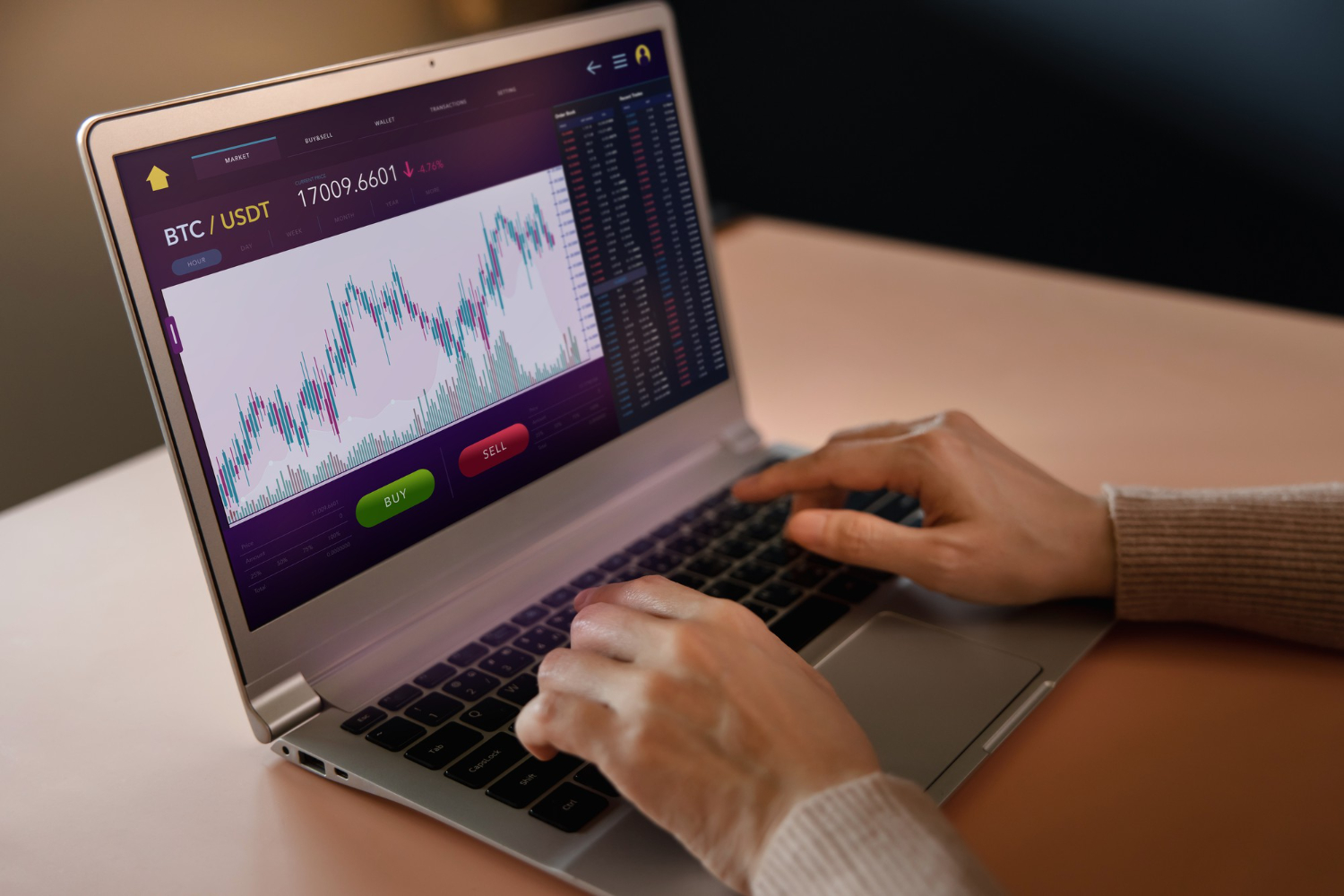
Determining your trade size in Forex can determine whether you grow steadily or face heavy losses. Proper lot sizing helps protect capital while aligning with personal risk tolerance and market conditions. This guide explains position sizing formulas, risk limits, and specific adjustments Nigerian traders must consider amid Naira volatility.
Understanding Forex Lot Sizes
Forex lot sizes determine your position size with standard lots representing 100,000 units, mini lots 10,000 units, and micro lots 1,000 units of base currency. Each choice affects how much you control in the market and how much your account changes with every move. Choosing the right lot size helps match your trading capital to the risk you want to take on each trade.
Traders use different lot types to adjust their exposure based on account size and experience level. Smaller lots allow new traders to stay in the market longer while they build skill. Larger lots suit experienced traders who have tested their strategies on smaller sizes first.
The size you pick also connects directly to risk management practices. A single trade that moves against you can reduce your account balance faster with bigger lots. Starting with smaller sizes gives you room to learn without large losses.
Understanding these differences helps you set clear rules for position sizing before you enter any trade. You can adjust your lot size as your account grows and as your confidence increases. This approach supports steady progress over time.
<|eos|>
Determining Your Risk Tolerance
Risk tolerance assessment helps determine how much capital you can comfortably lose per trade without affecting your trading psychology or account equity. This evaluation forms the foundation for all position sizing decisions when trading volatile pairs such as USDNGN.
Traders in Nigeria face unique challenges from naira volatility and exchange rate fluctuations. Understanding your personal comfort level with potential losses prevents emotional decisions during market swings. This awareness protects both your account balance and long term participation in Forex trading.
A realistic risk tolerance considers your overall financial situation and trading experience. Beginners often start with lower percentages while experienced traders may adjust based on market conditions. Regular review of your risk parameters keeps your approach aligned with current account equity.
Documenting your risk tolerance in a trading plan creates consistency across all positions. This documentation helps maintain discipline when market volatility increases. Your plan should specify maximum exposure limits based on your capital preservation goals.
Calculating Maximum Risk Per Trade
The standard formula limits risk to 1-2% of total account balance per trade, meaning a $1,000 account risks only $10-20 maximum per position. This approach applies equally to naira denominated accounts where you calculate risk per trade using your local currency balance.
Max Risk equals Account Balance multiplied by your chosen Risk Percentage. For Nigerian traders this calculation uses your account balance in naira and applies the same 1-2% guideline. The result shows your absolute maximum loss allowed on any single position.
| Lot Name | Contract Size | Pip Value (USD) | Best For | Risk Level |
| Standard Lot | 100,000 units | $10 per pip | Experienced traders with larger accounts | High |
| Mini Lot | 10,000 units | $1 per pip | Intermediate traders building confidence | Medium |
| Micro Lot | 1,000 units | $0.10 per pip | Beginners learning the market | Low |
| Nano Lot | 100 units | $0.01 per pip |
| Account Balance (NGN) | 1% Risk Amount | 2% Risk Amount |
| 100,000 | 1,000 | 2,000 |
| 500,000 | 5,000 | 10,000 |
| 1,000,000 | 10,000 | 20,000 |
With a 500,000 naira balance at 1% risk, maximum loss equals 5,000 naira per trade. This amount represents the total you can lose if your stop loss triggers. The calculation remains consistent regardless of currency pair or market conditions.
Setting Stop-Loss Levels
Stop-loss placement uses ATR (Average True Range) or support/resistance levels to determine pips distance from entry point based on market volatility. Proper placement protects your capital while allowing room for normal price movement.
Several methods help determine appropriate stop loss distances. The first approach uses ATR values where 1.5 times ATR works for EURUSD and 2 times ATR suits USDNGN due to higher volatility.
- ATR-based method sets stops at 1.5x ATR for EURUSD and 2x ATR for USDNGN
- Support or resistance levels place stops 15-25 pips below swing lows
- Percentage-based method limits stops to 2-3% of account balance impact
Traders target a minimum risk-reward ratio of 1:2 for Nigerian market conditions. This means potential profit should equal at least twice the planned risk amount. A 1:2 ratio ensures that winning trades compensate for occasional losses.
Combining stop loss methods provides flexibility across different trading strategies. Support and resistance levels work well for swing trading while ATR suits scalping approaches. Your choice depends on market conditions and personal trading style.
Account Size and Capital Management
Account size directly impacts maximum position size and determines appropriate lot multipliers for maintaining proper risk parameters. Smaller accounts demand careful attention to each trade decision because limited capital leaves little room for error. Traders with modest balances benefit from focusing on capital preservation rather than aggressive growth strategies.
With smaller trading capital, position sizing must follow strict rules to avoid rapid account depletion. A trader starting with limited funds cannot afford to risk large portions of their balance on single trades. This discipline builds habits that protect the account during periods of market volatility.
Larger accounts offer more flexibility in lot size selection while still requiring consistent risk management. Experienced traders can adjust their exposure based on market conditions without threatening their overall equity. The key remains maintaining the same percentage risk regardless of account balance.
Regardless of starting capital, every trader should establish clear rules about maximum exposure per trade. These guidelines protect against unexpected market movements that could otherwise lead to significant losses. Proper money management applies equally to all account sizes.
Position Sizing Formulas
Position sizing formula: Lots = (Account Risk x Account Balance) / (Stop Loss Pips x Pip Value), ensuring consistent risk across all trades. For a USDNGN trade with a 1,000,000 account, 1% risk equaling 10,000, a 50-pip stop loss, and pip value of 100, the calculation yields 0.2 lots. This approach keeps risk controlled and predictable.
Traders benefit from using position sizing calculators available through platforms like Myfxbook and BabyPips. These tools simplify the process of determining correct lot size based on current account parameters. Inputting accurate data into these calculators helps avoid manual calculation errors that could impact results.
Common mistakes include ignoring pip value differences between major pairs and exotic pairs. A trade involving USDNGN will have different pip values compared to EURUSD or GBPUSD. Failing to account for these variations leads to incorrect position sizing and unintended risk levels.
Always verify the pip value for your specific currency pair before finalizing your trade size. Different pairs carry varying levels of liquidity and volatility that affect how much each pip movement impacts your account. Regular checks ensure your risk management remains accurate across different market conditions.
Market Volatility Considerations
Nigerian Forex traders face unique volatility challenges with USDNGN experiencing 200-500 pips daily moves compared to major pairs averaging 50-80 pips. This environment demands careful attention to market volatility when determining appropriate lot size for each trade. Understanding these swings helps preserve trading capital during unpredictable periods.
Several factors contribute to heightened movement in the Nigerian market. CBN policy announcements often trigger 300-plus pip swings that can quickly alter trade outcomes. Petroleum price impact on naira liquidity creates additional uncertainty, particularly when global oil markets shift unexpectedly.
Further volatility stems from parallel market vs official rate gaps that influence currency pair behavior. Oil price volatility also affects USDNGN correlation with broader market movements. Traders benefit from monitoring these elements closely before entering positions.
Traders should compare ATR readings across different pairs to gauge typical movement ranges. For instance, USDNGN ATR over 14 periods typically ranges from 250 to 400 pips, whereas EURUSD averages 50 to 70 pips daily. These differences suggest wider stop loss distances on exotic pairs like USDNGN to avoid premature exits.
CBN Policy Announcements and Naira Swings
Central bank decisions create immediate shifts in exchange rates that affect position sizing strategies. When the CBN releases new guidelines or adjusts rates, USDNGN can move hundreds of pips within hours. This rapid change requires traders to reduce trade size ahead of scheduled announcements.
Reducing exposure before major events limits potential losses from sudden moves. A trader might lower their usual risk per trade from 2 percent to 1 percent during these periods. Such adjustments protect account balance when liquidity thins and spreads widen.
Placing trades after initial reactions settle often provides clearer direction. Waiting for the market to process policy changes allows for more informed decisions about lot size and stop loss placement. This approach supports risk management while still capturing opportunities.
Keeping a trading journal helps identify patterns in how CBN announcements affect trade outcomes. Recording entry points, exit reasons, and size selections builds knowledge for future events. Over time, this practice improves trading discipline and decision-making.
Petroleum Prices and Naira Liquidity
Oil revenue forms a major part of Nigeria’s economy, making petroleum price impact a significant driver of naira behavior. When global oil prices drop, naira liquidity decreases and creates larger gaps in USDNGN. Traders should consider these connections when calculating position sizing for related currency pairs.
Lower liquidity often means wider spreads and potential slippage during order execution. Adjusting lot size downward during low-oil-price periods helps manage this risk. Many traders also monitor oil inventories and OPEC decisions through an economic calendar to anticipate shifts.
Correlations between oil and naira require constant attention. A drop in oil prices can prompt 200 pips or more in USDNGN within a single session. Traders who recognize these patterns can adjust their percentage risk accordingly to maintain consistent money management practices.
Using a demo account to test strategies during volatile oil periods helps build experience without risking real capital. Learning how naira responds to petroleum changes supports better live account decisions when conditions repeat.
Parallel Market Gaps and Rate Disparities
Discrepancies between parallel market and official rates create additional uncertainty for Forex traders in Nigeria. These gaps often generate unexpected movements in USDNGN that can exceed usual daily ranges. Traders must account for this behavior when selecting trade size and designing their trading plan.
Rate disparities also affect correlation between USDNGN and other currency pairs.
Choosing the Right Broker
Selecting brokers regulated by SEC Nigeria or CBN with MT4/MT5 platforms, local naira deposit options, and competitive spreads on USDNGN pairs makes a real difference. Broker choice often determines how smoothly you can manage your trading capital and maintain proper position sizing. Without proper regulation, traders face unnecessary risks that can affect their account balance and overall trading experience.
A reliable broker provides transparent information about spreads, commissions, and execution speed. Nigerian traders benefit from platforms that accept local bank transfers and card payments while offering MT4 or MT5 access. These features help you focus on important aspects like risk management and lot size calculations instead of worrying about fund transfers.
Many Nigerian traders work with brokers that maintain partnerships with local banks such as Sterling Bank and Access Bank. These relationships often provide easier access to naira deposits and withdrawals. Local support reduces delays and helps you keep track of your trading capital throughout the process.
| Broker Name | Regulation | Min Deposit | USDNGN Spread | Payment Methods | Rating |
| FXTM | SEC Nigeria, FSCA, FCA | $10 | Low | Local Bank Transfer, Card Payment | 4.5 |
| OctaFX | IFSC | $100 | Low | Local Bank Transfer, Card Payment | 4.4 |
| Access Bank Forex | CBN | N50,000 | Medium | Access Bank Transfer | 4.3 |
| Sterling Bank Partnered Brokers | SEC Nigeria | N20,000 | Medium | Sterling Bank Transfer | 4.2 |
| Access Bank Forex | CBN | N50,000 | Medium | Access Bank Transfer | 4.3 |
Unregulated brokers often operate outside the oversight of SEC Nigeria or CBN. These entities may not guarantee fund safety or fair treatment, which can lead to loss of trading capital. Nigerian traders should always verify regulation status before depositing funds.
Forex scams remain common in Nigeria, often presented as get rich quick schemes or ponzi schemes. These fraudulent operations promise unrealistic returns and use pressure tactics to discourage questions. Due diligence helps you avoid these traps and protect your investment.
Naira Fluctuations and Currency Pairs
USDNGN trades at official CBN rate around 460 naira per dollar versus parallel market rates around 750 naira per dollar, creating large spreads that impact position sizing decisions. Nigerian traders must understand these rate differences before selecting their currency pairs. Position sizing becomes more complex when dealing with such wide pricing gaps.
This environment affects how much capital you allocate to each trade. Trading capital must account for potential slippage and unexpected rate movements. Experts recommend starting with smaller lot sizes when trading these pairs for the first time.
Understanding the structure of different pairs helps Nigerian traders make informed choices about their trade size. Each pair type presents unique challenges for risk management and position sizing. The following sections break down three main categories that traders encounter in the Nigerian market.
Traders often compare three pair types based on their liquidity and volatility characteristics. Major pairs, minor pairs, and exotic pairs each require different approaches to lot size and margin calculations. Selecting the right pair affects overall trading results over time.
USDNGN Pair Characteristics
The USDNGN pair operates under two distinct rate systems that influence daily trading decisions. Central bank interventions can cause sudden shifts in pricing that affect open positions. Traders need to monitor official announcements closely when holding USDNGN trades.
High volatility creates wide price ranges that require careful stop loss placement and take profit targets. The pair often moves several hundred pips in a single session. Market volatility in this pair demands smaller position sizes compared to more stable alternatives.
Trading USDNGN at parallel market rates requires 40 percent smaller position sizes due to wider spreads. This adjustment protects trading capital from rapid price reversals. Account balance preservation becomes the priority when spreads expand during volatile periods.
Carry trade strategies become relevant when considering the interest rate differential between the naira and dollar. Positive interest rates on naira positions can generate additional returns if the trade moves in your direction. Traders must balance these potential gains against the risk of sudden devaluation.
Major Pairs for Nigerian Traders
Major pairs such as EURUSD and GBPUSD offer lower spreads between 1 and 3 pips. These pairs provide easier access to technical analysis tools and clearer chart patterns. Nigerian traders often prefer these pairs because of their predictable behavior.
Lower transaction costs allow for more flexible position sizing without eating into potential profits. Liquidity remains consistently high during major market sessions. Spread costs stay manageable even when trading slightly larger lot sizes.
These pairs suit traders who prefer day trading or scalping approaches. The reduced volatility makes stop loss placement more straightforward and predictable. Risk per trade calculations become simpler when dealing with stable pricing.
Many Nigerian traders use major pairs to build experience before moving into more exotic options. Trading psychology benefits from the reduced stress of lower spread environments. A well-tested trading plan works more effectively with these pairs.
Cross Pairs and Liquidity Challenges
Cross pairs like EURNGN present limited liquidity that affects order execution and spread costs. Higher spreads increase the cost of entering and exiting positions. Liquidity risk becomes a significant factor when trading these pairs.
Traders must adjust their lot size downward to compensate for wider pricing gaps. Margin requirements may also increase due to higher volatility in these pairs. Account equity protection requires extra attention with these instruments.
Expertise in fundamental analysis helps when trading cross pairs that involve the naira. Oil price movements and central bank policies directly influence these pairs. Trading journal records become essential for tracking performance across different pair types.
Most Nigerian traders allocate only a small portion of their capital to cross pair trades. Capital preservation remains the priority over potential higher returns. A balanced portfolio approach helps manage overall exposure to naira-related pairs.
Common Mistakes to Avoid
Nigerian traders commonly over-leverage accounts (using 1:500 instead of 1:50), ignore stop losses, and fall victim to unregulated signal providers promising 50% monthly returns. These errors often lead to rapid losses and frustration. Many traders overlook basic risk management principles when entering the Forex market.
Over-leveraging creates dangerous situations where small price movements can wipe out accounts. A trader using 1:500 leverage might face a margin call after just a 2 percent adverse move against their position. Experts recommend limiting leverage to 1:50 maximum to protect trading capital during normal market fluctuations.
Many traders skip stop losses entirely and hope the market will reverse. A Lagos-based trader lost his entire account balance of 2.5 million when Naira devaluation news caused sharp movements in major pairs. Always set your stop loss before entering any trade to limit potential damage.
After losing trades, some traders attempt to recover losses quickly by doubling position sizes. This revenge trading approach often leads to even larger losses and emotional decision making. Setting a daily loss limit of 3 percent helps maintain discipline and prevents account destruction.
Unregulated signal groups on social media often promote unrealistic returns to attract followers. A Lagos-based trader followed a Facebook signal provider for several weeks and lost 2.5 million when the signals failed during volatile conditions. Verify that your broker is properly regulated before following any external trading recommendations.
Over-leveraging Your Account
High leverage ratios tempt traders with the promise of larger gains from smaller investments. Using 1:500 leverage means a small adverse price movement can trigger a margin call and close positions automatically. This approach puts trading capital at unnecessary risk during normal market volatility.
Consider a trader with a $1,000 account balance who opens a 1-lot position in EUR/USD. With 1:500 leverage, a 20-pip adverse move could wipe out their entire account. Switching to 1:50 leverage gives the market room to move without forcing liquidation.
Traders should calculate their required margin before entering positions to understand actual risk exposure. Lower leverage ratios preserve free margin for handling unexpected price swings. This approach supports long-term survival in the Forex market.
Start with small trade sizes and gradually increase position sizing as you gain experience. Most successful traders use conservative leverage ratios to protect their account equity through market cycles. This habit separates consistent performers from those destroyed by sudden market events.
Skipping Stop Loss Orders
Traders who skip stop loss orders expose their accounts to unlimited risk during unexpected events. News events like Naira devaluation announcements can cause rapid price movements that wipe out unprotected positions. Without stops, a single bad trade can destroy months of careful work.
Always place your stop loss immediately after entering a trade, before monitoring price action. This habit removes emotional decision making from the process. A trader who lost 2.5 million admitted that placing a stop loss would have limited his damage to a small portion of his account balance.
Calculate your stop loss distance based on market structure rather than arbitrary numbers. Support and resistance levels provide logical exit points that align with price behavior. This method gives trades breathing room while still limiting potential losses.
Review your trading journal to see how stop loss usage affects overall results. Traders who consistently use stops report better preservation of trading capital over multiple market cycles. This practice supports sustainable growth through proper risk management.
Revenge Trading After Losses
Revenge trading occurs when traders attempt to recover losses by increasing position sizes dramatically. A trader who loses on a 0.5-lot trade might double to 1.0 lots on the next entry hoping to break even. This behavior often leads to larger losses and emotional burnout.
Establish a daily loss limit of 3 percent before starting each trading session. Once this limit reaches, stop trading for the rest of the day. This rule protects account equity and allows time for clear-headed analysis.
Take breaks after significant losses to reset emotionally before considering new trades. Many traders find that walking away for several hours prevents poor decisions. Proper trading psychology requires accepting losses as part of the process.
Document every trade in a trading journal to identify patterns in decision making. Recording entry reasons and emotional state helps reveal revenge trading triggers. This awareness leads to better money management habits over time.
Following Unregulated Signal Groups
Signal providers on social media often claim high monthly returns without showing verified track records. A Lagos-based trader lost 2.5 million after following a Facebook signal group for weeks. These groups typically operate without proper oversight and may disappear when losses mount.
Verify your broker holds proper regulation from recognized authorities before using any external signals. Check that the broker appears on official lists from SEC Nigeria or CBN to ensure basic protection. Unregulated providers lack accountability mechanisms that regulated entities must follow.
Develop your own trading plan based on tested strategies rather than relying on external signals. Backtesting your own approaches builds confidence and understanding of market behavior. This independence reduces dependence on unverified sources.
Use a demo account to test any new signal service before risking real funds. Many traders find that signal accuracy drops significantly when tested against live market conditions. This practice saves capital while evaluating potential sources.
Practical Examples for Nigerian Traders
Nigerian traders benefit from matching their lot size to their account balance and risk tolerance. A trader with 2,000,000 accounts risks 20,000 per trade (1%), with 40-pip stop loss on USDNGN requiring 0.25 lot position size based on 200/pip value. This approach keeps losses small while allowing room for growth through compounding.
Each trader profile comes with its own set of rules that protect trading capital over time. Conservative traders focus on steady progress rather than quick wins. Moderate traders balance opportunity with caution using slightly larger positions. Aggressive traders accept wider swings but follow strict limits on maximum drawdown.
Risk management stays consistent across all profiles. Traders calculate position sizing before every entry and record results in a trading journal. This habit builds discipline and shows which strategies work best with local market conditions such as naira volatility and exchange rate fluctuation.
Reviewing performance each month helps traders adjust their approach before small issues grow. Nigerian traders who track metrics like win rate and average profit per trade can refine their risk-reward ratio for better long-term results. This process supports steady improvement without chasing unrealistic gains.
Conservative Trader Example
A trader holding 500,000 starts with micro lots on EURUSD. They risk 1% of their account balance per trade, which equals 5,000 at most. This small size protects capital during periods of high market volatility while they build experience with stop loss placement.
Monthly targets sit between 8% and 12% growth. Reaching these levels requires patience and consistent application of risk management rules. Traders avoid news events that could cause large swings and keep leverage low to reduce margin call chances.
Position sizing follows a simple formula each time. The trader checks pip value for their chosen currency pair, calculates the distance to their stop loss, and adjusts lot size accordingly. Recording every trade in a journal helps identify patterns that need correction.
After twelve months of disciplined trading, realistic annual returns range from 25% to 40% for those who stay within their rules. Compounding small gains over time creates meaningful growth without exposing the account to unnecessary risk.
Moderate Trader Example
A trader with 5,000,000 balance chooses mini lots on USDNGN. They allow 1.5% risk per trade, which setzt 75,000 as the maximum loss per position. This size suits traders who have already tested their strategy on a demo account and feel ready for live conditions.
They aim for 15% to 20% monthly returns, a target that requires careful position sizing and attention to take profit levels. Using average true range helps them set realistic stop loss distances that match current volatility. Avoiding multiple open positions at once keeps used margin under control.
Many moderate traders pair their technical analysis with a quick check of the economic calendar for events that could affect the naira. They maintain a risk-reward ratio of at least 1:2, which helps offset losses even when some trades go wrong.
Monthly performance tracking reveals whether targets are met. Traders compare planned risk levels against actual results and adjust lot size if needed. Over a year, disciplined traders often achieve the 25% to 40% annual range through compounding and proper money management.
Aggressive Trader Example
A trader holding 10,000,000 account enrolls in standard lots with 2% risk per trade. This erlaubt 200,000 as the maximum loss per position. Only traders with strong trading psychology and proven track records on a live account should consider this level.
Strict stop loss rules remain mandatory even for aggressive profiles. Traders set limits based on technical analysis points such as support and resistance levels. They also limit total exposure to 6% of their account equity across all open trades.
Daily limits prevent small losses from becoming weekend surprises. The trader uses a trading plan that includes entry conditions, exit rules, and a maximum number of trades per day. Backtesting their strategy on historical data shows whether it survives various naira devaluation scenarios.
Performance data collected over twelve months shows that 25% to 40% annual returns remain achievable when rules are followed. The focus stays on capital preservation first, in order to sustain long-term growth through compound interest rather than chasing single big wins.
Monthly Performance Tracking Template
Traders benefit from a simple template that captures key metrics each month. The template asks for planned risk per trade, actual risk used, number of trades, and overall profit or loss. Keeping records helps traders see trends and make data-driven adjustments.
Columns include date, currency pair, lot size, stop loss distance in pips, risk per trade in naira, and outcome. Traders also record take profit targets and whether the trade met the planned risk-reward ratio. This level of detail supports improvement through year.
At the end of each month, traders calculate percentage change from the previous account balance and compare it against their target range. If results fall below expectations, they review backtesting data and adjust their trading plan accordingly before next month begins.
Annual review compares cumulative results to the 25% to 40% range recommended for disciplined Nigerian traders. Success comes from consistent application of risk management rules rather than single month spikes. The template keeps focus on long-term money management habits.
Frequently Asked Questions
How Much Should You Trade? Forex Lot Size Tips for Nigerians
How Much Should You Trade? Forex Lot Size Tips for Nigerians begins with choosing a position size that matches your account balance and risk tolerance. For beginners in Nigeria, 0.01 to 0.05 lots on a $200-$500 micro account is usually safe.
How Much Should You Trade? Forex Lot Size Tips for Nigerians
How Much Should You Trade? Forex Lot Size Tips for Nigerians recommends never risking more than 1-2% of your total capital on a single trade. Nigerians should factor in naira volatility and broker spreads when calculating this limit.
How Much Should You Trade? Forex Lot Size Tips for Nigerians
How Must You Trade? Forex Lot Size Tips for Nigerians advises using a position size calculator and keeping leverage low. Many Nigerian traders succeed with 1:100 leverage or lower to avoid margin calls.
How Much Should You Trade? Forex Lot Size Tips for Forex Lot Size Tips for Nigerians
How Much Should You Trade? Forex Lot Size Tips for Nigerians shows that 0.10-lot trades are suitable once you have at least $1,000 in equity and a proven strategy. Always test smaller sizes on a demo account first.
How Much Should You Trade? Forex Lot Size Tips for Nigerians
How Much Should You Trade? Forex Lot Size Tips for Nigerians explains that larger lots like 0.50 or 1.0 are only appropriate for experienced traders with five-figure accounts and a strict risk-management plan.
How Much Should You Trade? Forex Lot Size Tips for Nigerians
How Much Should You Trade? Forex Lot Size Tips for Nigerians highlights the importance of adjusting lot size after every winning or losing streak. Nigerians should review their equity curve regularly and scale up slowly.